In many laboratories, implant-prosthetic components are a large item of material costs. And it is precisely here that the willingness to switch is lowest. Not on principle, but because the question of what a switch really means is rarely answered clearly. Let us break it down.
Anyone who runs a dental laboratory has invested considerably in recent years: in scanners, CAD software, milling machines, validated processes. This infrastructure is not simply hardware, it is well-established routine. Every step is coordinated, every interface tested, every operation practised. It is precisely into this sensitive system that the question of changing supplier fits.
The decisive point is: “Does a change of supplier fit into our existing digital workflow without our having to touch a single interface?”.
Compatibility has two dimensions
The classic definition of compatibility is mechanical: the abutment fits onto the implant, the cone angle is correct, the connection geometry is correct. However, in digital dentistry a physical component is always also a digital data set. It belongs to a CAD library, it is matched to a particular scan body, it runs through a defined CAM milling strategy.
Anyone who considers only the mechanical level of compatibility overlooks what a change can actually mean in the laboratory. Every component is part of the digital chain. Depending on the system, a conventional system change can force a technical chain reaction: importing new CAD libraries, using different scan bodies, adapting milling strategies in the CAM module or even screwing new physical holders into the machine. The effort involved and the uncertainty during ongoing operation are often out of all proportion to the material savings. A calculated saving on material can thus quickly turn into a process risk. New procedures, additional sources of error and lower process reliability can put the saving into perspective.
Depending on the system, a new supplier may require
- importing new CAD libraries,
- procuring and introducing new scan bodies,
- adapting milling strategies in the CAM module,
- under certain circumstances, procuring new physical holders for pre-mill blanks.
The rational consequence for many laboratories: do not change supplier. Protecting the running processes weighs more heavily than the purchasing advantage. This is the point at which the principle of workflow compatibility comes in.
No system change. Just a change of supplier.
Workflow compatibility: what that means
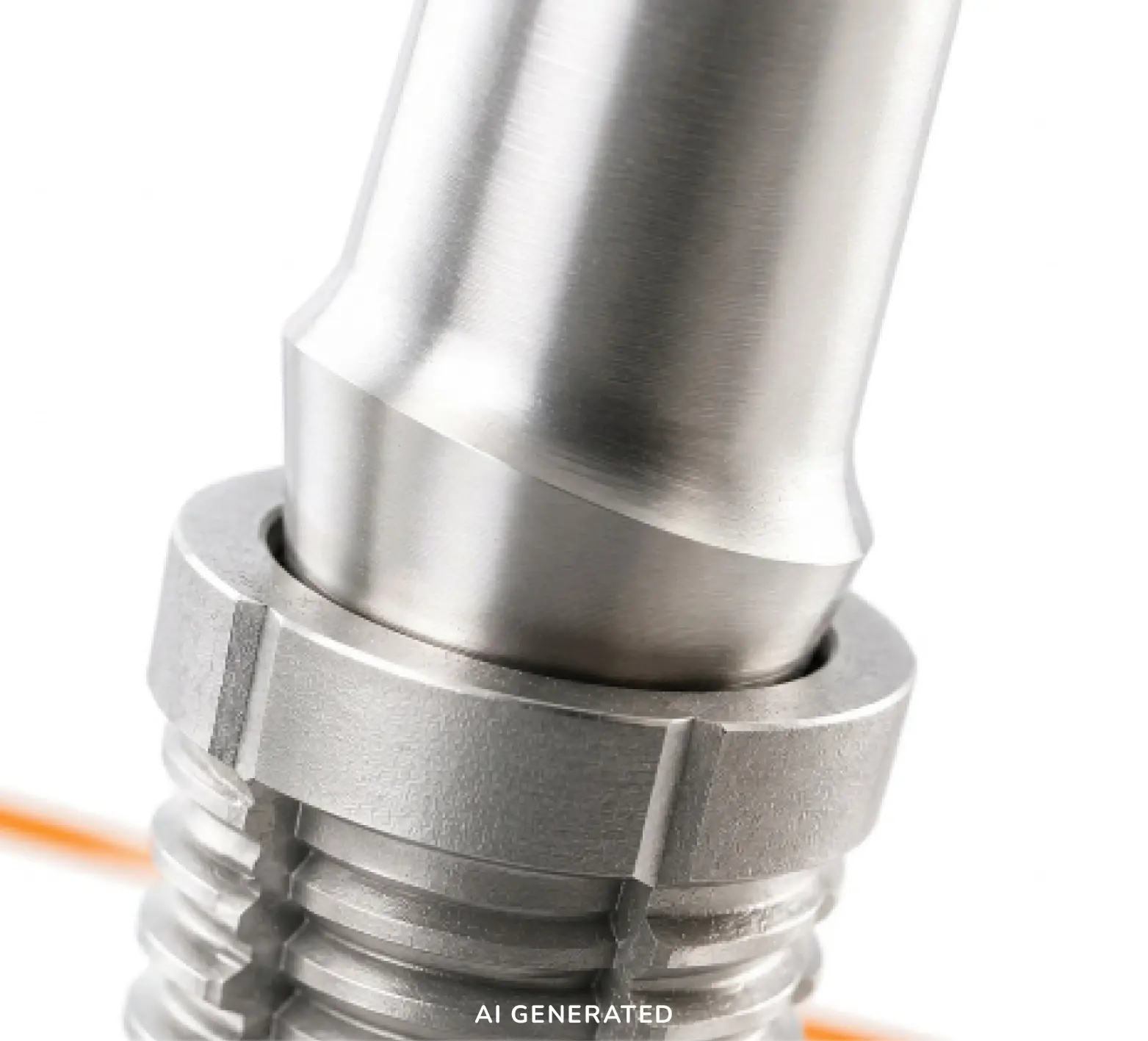
OrangeCAD relies on dual compatibility (geometry and workflow). The physical components – from the titanium base to the pre-mill abutment – reproduce the reference geometries of established market suppliers within tight manufacturing tolerances. In addition, the sequence of operations in the dental laboratory remains untouched. This means: the existing library continues to run unchanged. The familiar scan body remains in use. The milling strategy is not modified. This applies to the CAD/CAM systems established in dental laboratories and to the associated reference libraries of common implant systems.
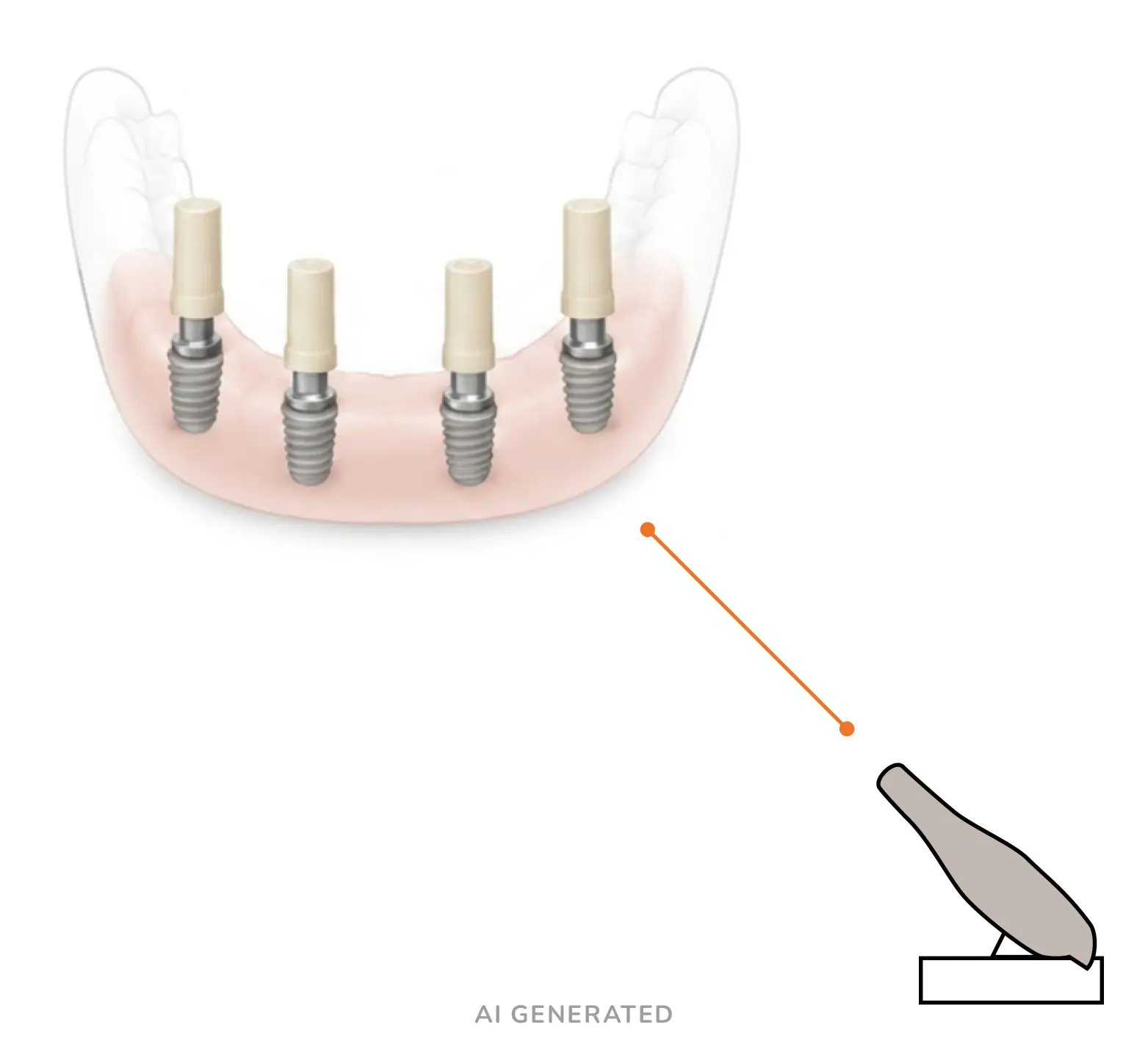
Existing scan body → Familiar CAD library → Unchanged CAM processWhat changes: OrangeCAD component
Only a single step in the procedure changes: the physical component comes from a different supplier. Scan body, library, software, holder and process remain as they are.
Precision as a prerequisite
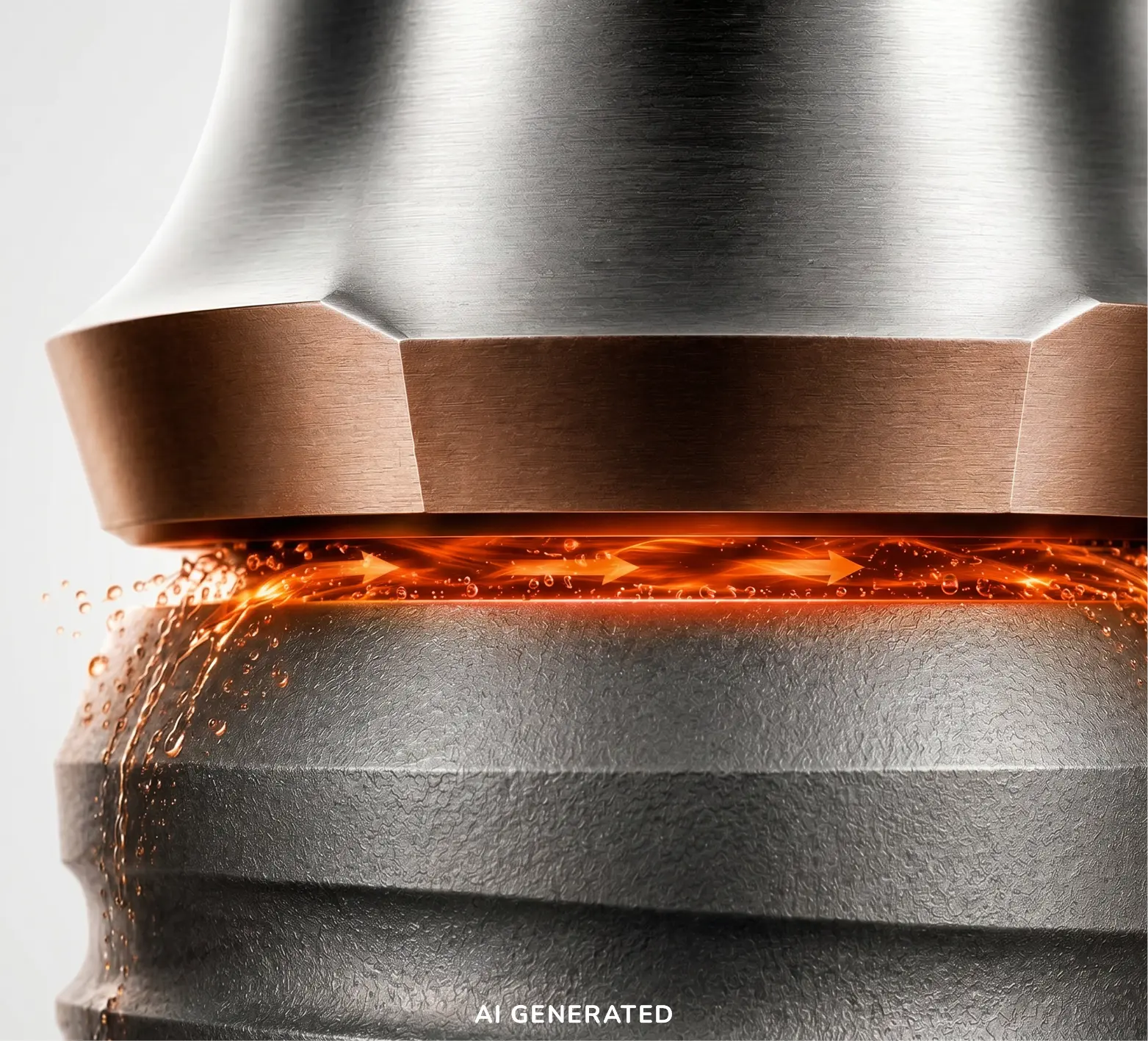
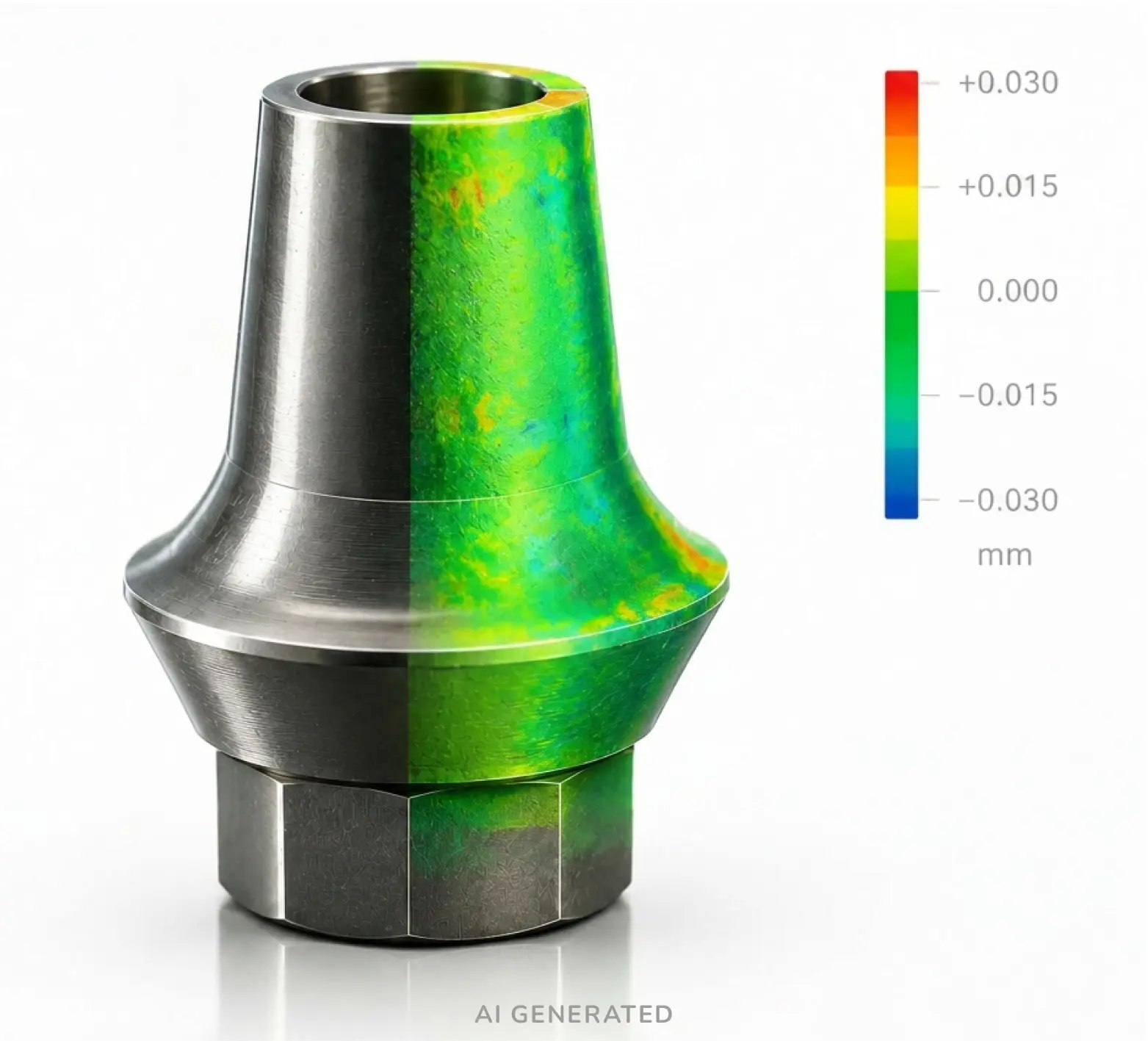
That sounds logical and simple; for the dental laboratory it also is. The manufacture of the workflow-compatible components, by contrast, is technologically highly complex. For a component – such as a titanium base or a pre-mill abutment – to correspond to the reference data stored in the CAD/CAM process, extremely low manufacturing tolerances and reproducible reference geometries are required.
Even minimal deviations in the cone angle or in the Z-axis offset can affect the correspondence between the physical component and the digital twin. Workflow compatibility therefore requires highly precise manufacturing processes and reproducible reference geometries. The fact that this quality level functions reliably is the result of controlled industrial processes. OrangeCAD manufactures the implant abutment components from grade 5 titanium. The narrow tolerance specification and the reproducible fit accuracy are the technical prerequisite for what workflow compatibility means.
Recalculating cost-effectiveness
In a market environment with rising cost pressure, material costs have to be put to the test. However, the relevant benchmark is not the purchase price alone, but the purchase price under the condition that no process risk arises. Only if the process remains stable does the cost saving on implant-prosthetic components become a genuine, calculable advantage.