Many dental laboratories are under economic pressure and are therefore examining alternative components. But does this automatically create a biomechanical risk? A recent in vitro study in the specialist journal Materials (MDPI) provides a differentiated answer.
The study (Materials, MDPI, May 2026) compares implant–abutment connections under dynamic loading and in doing so documents measurable differences in microgap behaviour as well as in the torque loss of the connecting screw. The results raise a question that currently concerns many dental laboratories:
Does economic optimisation in the selection of components inevitably go hand in hand with biomechanical risks?
The results show: compatibility is not a yes-or-no property, but a question of reproducible precision. For clinical stability it is not sufficient that a component is compatible in principle. What is decisive is the precision with which the component is manufactured.
The mechanics of the interface under functional load
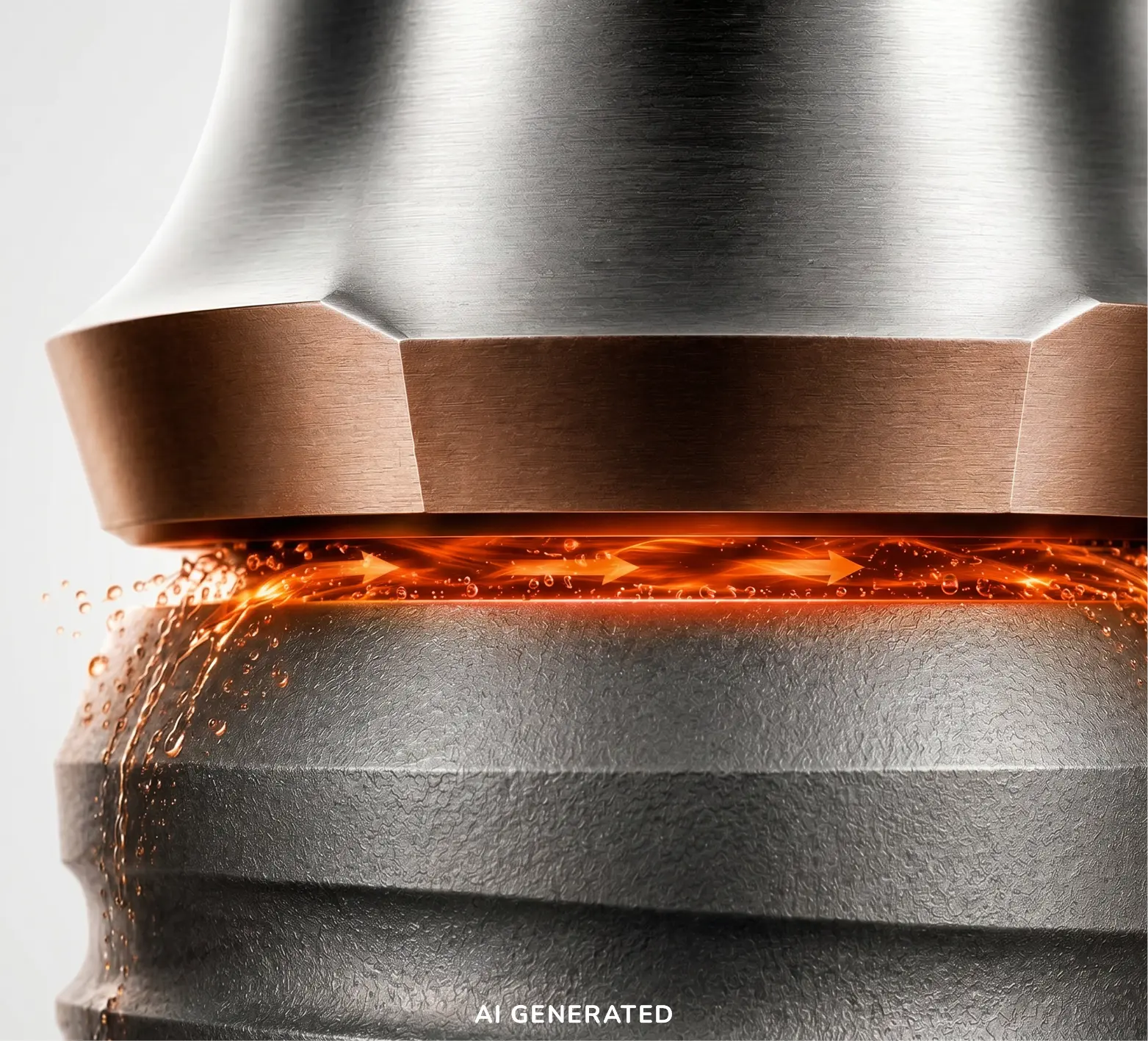
The classic definition of compatibility is mechanical: the abutment fits onto the implant, the connection can be established, the geometry is correct. The interface then becomes clinically relevant under functional loading. Implant–abutment connections work permanently under dynamic forces, micromovements and cyclic loads. Studies show that micromovements within the connection can lead to a periodic fluid exchange and that inflammatory reactions as well as marginal bone loss frequently occur precisely at the level of this interface. The current state of the studies shows that pure form compatibility is only one part of the equation. What is decisive is how stable the connection remains under functional loading.
Tolerance zones and their reproducibility
The MDPI study discusses the differences established in connection with manufacturing tolerances and microscopic deviations within the interface. The results indicate that the manufacturing level and process quality play at least as important a role as the distinction between original and compatible components. Differences arise less at the level of geometry than in:
- Manufacturing tolerances and their reproducibility
- Surface quality and process control
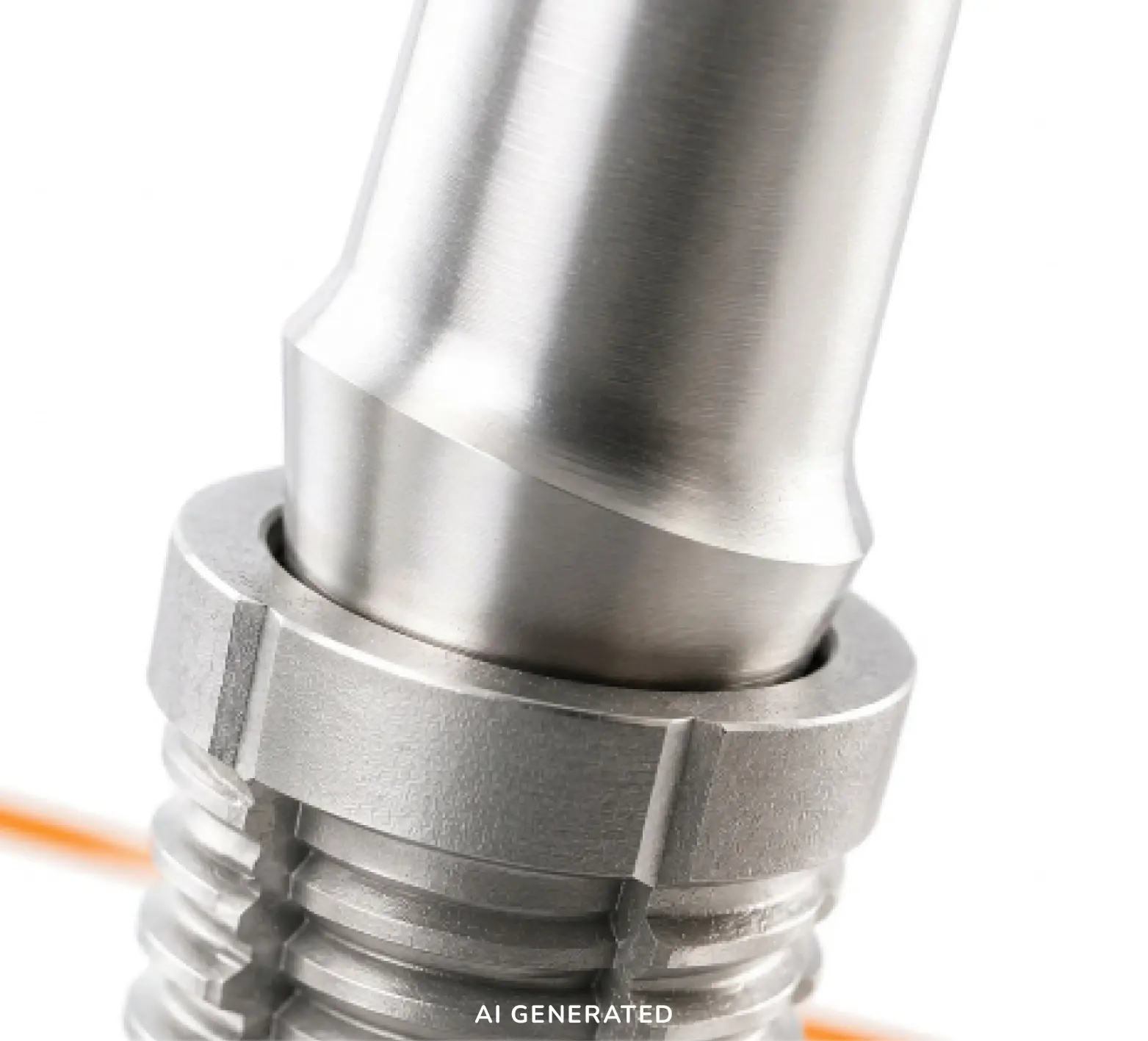
Even minimal deviations in the cone angle, in the rotational index or in the Z-axis offset can, under functional loading, have effects on screw stability, micromovement behaviour and the long-term stability of the connection. Whether a connection remains stable in the long term is decided at microscopically small contact surfaces. Even small deviations can lead to forces no longer being transmitted optimally and to additional loads arising within the system. The consequences range from mechanical overloading through to biological reactions.
Digital workflows and the consistency of the “digital twin”
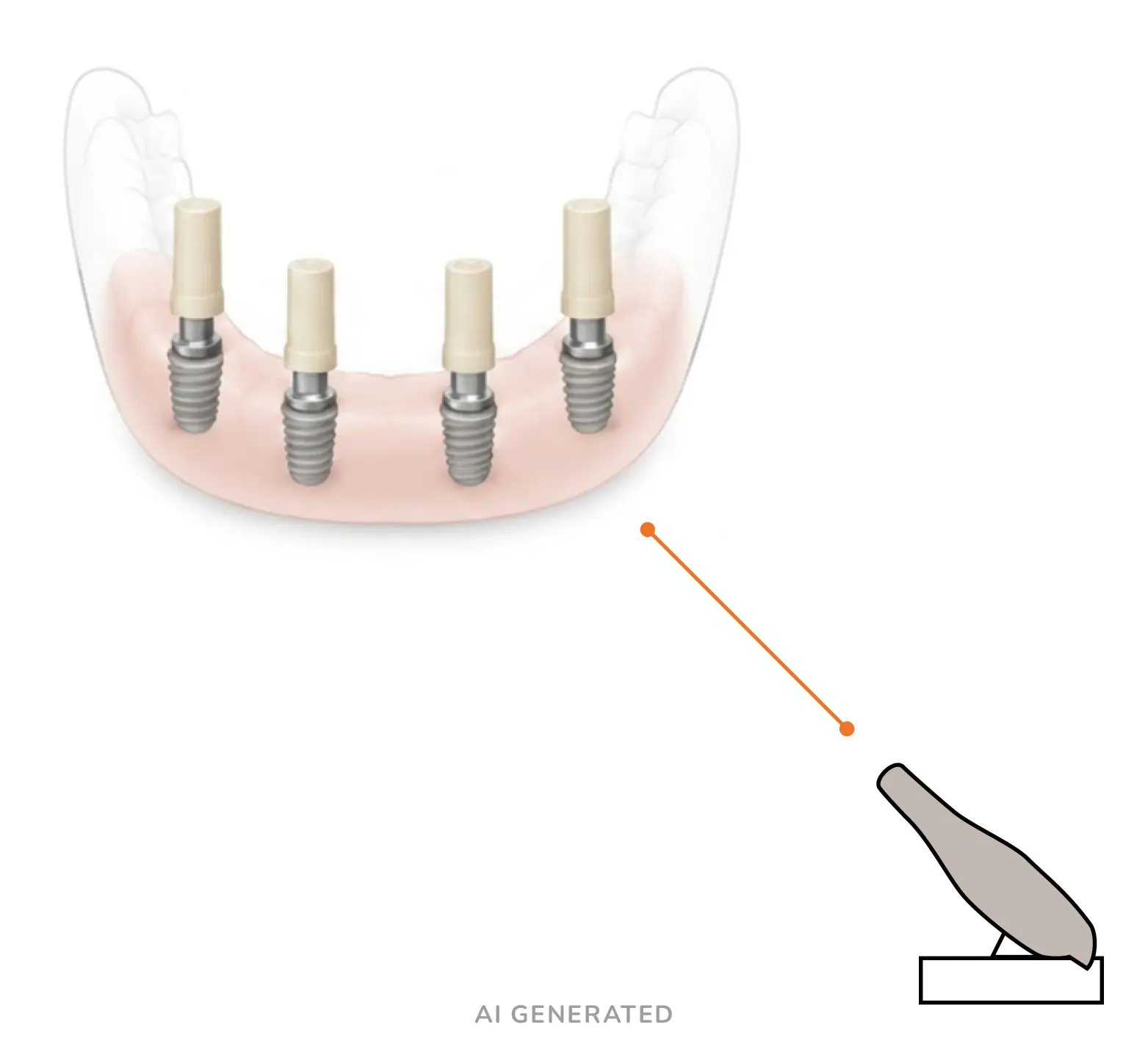
The question of precision does not end at the implant–abutment interface. In digital workflows, the physical component and the digital data must match one another permanently. The CAD library, the CAM strategy and the actual component form a single unit in this respect. It is important that the component actually manufactured reproducibly implements the geometry stored in the digital data. Only then are precision and process reliability maintained throughout the entire workflow.
The actual question of quality
Current research shows that the discussion about compatible systems cannot meaningfully be conducted as a simple juxtaposition of original and third-party supplier. In the end, manufacturing and inspection processes determine the quality of the connection. Economic advantages for the dental laboratory and the practice only arise on a lasting basis if the biomechanical stability and the process reliability of the workflow remain untouched.
References
Alaqeel R. et al. (2026): Microleakage and Torque Loss at the Implant–Abutment Interface in Original Versus Non-Original Abutments: An In Vitro Study. Materials (MDPI), Vol. 19(9), 1884.
Zipprich H, Weigl P, Lange B, Lauer HC. Implantologie 2007; 15(1): 31–46.
Broggini N et al. Journal of Dental Research. 2003; 82(3): 232–237. / Follow-up study: JDR 2006; 85(5): 473–478.
Mao Z et al. Microleakage along the implant–abutment interface: a systematic review and meta-analysis of in vitro studies. Int J Implant Dent. 2023; DOI: 10.1186/s40729-023-00494-y